
The Best First Handguns For Beginners In 2026
The best first handguns for beginners in 2026 remain mid-size or full-size 9mm striker-fired pistols. These prioritize superior ergonomics (natural point of aim, modular grips, manageable recoil), proven reliability (high-round-count track records), and strong aftermarket support (holsters, magazines, optics, parts, and training resources).
Avoid starting with pure micro-compacts—they are harder for new shooters to control. Focus on platforms you can handle dry-fire and rent at a range before buying. All recommendations below are 9mm (best balance of capacity, recoil, cost, and defensive performance).
Quick Comparison Table
A side-by-side overview of the key differences before diving into the detailed reviews.
| Rank | Model | Capacity | Approx. Street Price | Best For | Standout Strength |
|---|---|---|---|---|---|
| 1 | Glock 19 Gen 5/6 | 15+1 | $520–650 | Overall / Versatility | Reliability + Aftermarket |
| 2 | S&W M&P9 2.0 Compact | 15+1 | $450–550 | Ergonomics / Fit | Modular grips |
| 3 | Canik METE SFT | 18+1 | $320–400 | Budget | Trigger + Features |
| 4 | CZ P-10 C | 15+1 | $390–500 | Trigger quality | Crisp break |
| 5 | Walther PDP | 15–18+1 | $549–650 | Pure shootability | Soft recoil + Feel |
1. Glock 19 Gen 5/6 MOS or ORS — Best Overall
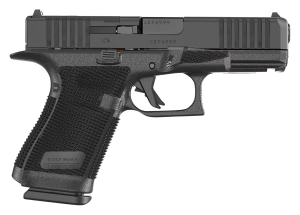
The perennial top pick and the one most instructors still point to for a do-everything first gun. Compact size balances range/home defense shootability with carry potential. Gen 6 improves ergonomics with palm swell, RTF6 texture, enlarged beavertail, undercut trigger guard, flat-faced trigger, and factory optics-ready system.
Key specs: 9mm, 15+1 capacity, 4.02″ barrel, ~20–24 oz unloaded, overall length ~7.3″.
Why ideal for beginners: Legendary reliability; simple Safe Action system; massive aftermarket; tolerates imperfect grips well.
- Unmatched ecosystem and proven track record
- Easy maintenance
- Versatile size
- Stock plastic sights (upgrade recommended)
- Grip angle feels “blocky” to some
- Trigger is functional but not class-leading
2. Smith & Wesson M&P9 2.0 Compact — Best Ergonomics & Value
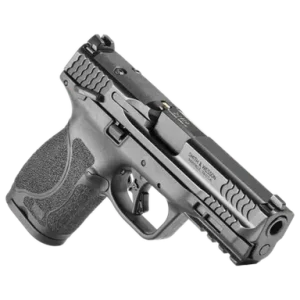
Frequently ranked #1 or editor’s pick for new shooters. Features aggressive but usable grip texture, four interchangeable palmswell inserts, and a more natural grip angle than Glock for most hands. Optional thumb safety models available.
Key specs: 9mm, 15+1 capacity, 4.0″ barrel, ~24 oz unloaded.
Why ideal for beginners: Excellent modular fit; soft-shooting with low bore axis; highly reliable; strong aftermarket.
- Customizable fit with palmswells
- Predictable trigger
- Thinner feel than many competitors
- Great value
- Grip texture can feel aggressive during long sessions
- Stock trigger is good but not match-grade
3. Canik METE SFT (or TP9 Elite SF) — Best Budget
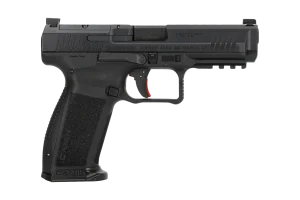
The value king. Ships optics-ready (with plates), fiber-optic sights, and often a holster + magazines. The trigger rivals guns costing twice as much. Full-size frame softens recoil.
Key specs: 9mm, 18+1 capacity, ~4.46″ barrel, ~29 oz.
Why ideal for beginners: Exceptional factory trigger; high capacity and soft recoil; surprisingly reliable; optics-ready from the start.
- Class-leading trigger
- Feature-packed at low price
- Soft-shooting
- Slightly taller bore axis
- Aftermarket not quite as vast as Glock/S&W (but growing)
4. CZ P-10 C — Best Trigger & Natural Fit
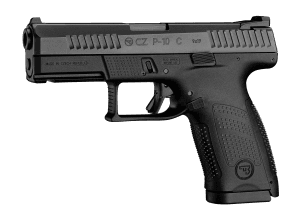
Compact size matching the Glock 19, with a superior factory trigger (crisp break, short reset) and excellent ergonomics. Low bore axis reduces muzzle flip. Optics-ready versions available.
Key specs: 9mm, 15+1 capacity, 4.02″ barrel, ~26 oz.
Why ideal for beginners: Trigger quality accelerates accurate shooting; aggressive but effective texture and modular backstraps; proven reliability.
- Outstanding trigger and ergonomics
- Low muzzle flip
- Good aftermarket
- Grip texture can be sharp for some
- Base models may need optics cut
5. Walther PDP (Full-Size or Compact) — Best Shootability
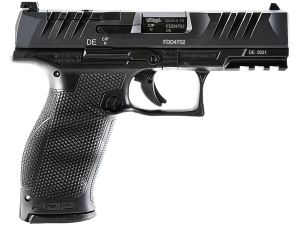
Outstanding out-of-the-box ergonomics, trigger, and accuracy. Full-size models maximize capacity and minimize recoil; compact versions add versatility. All optics-ready.
Key specs (full-size example): 9mm, 18+1 capacity, 5″ barrel option, ~29–30 oz.
Why ideal for beginners: Exceptional grip geometry and low bore axis make it soft and flat-shooting; crisp trigger builds confidence; highly reliable.
- Best-in-class ergonomics and trigger for many
- Optics-ready
- Soft recoil
- Slightly higher price
- Aftermarket solid but not Glock-level
- Taller for pure concealed carry
Quick Buying Advice
- Handle unloaded examples of at least the top three at a shop — close your eyes and present; check natural sight alignment and control reach.
- Rent and fire 50–100 rounds of quality practice ammo through finalists. Note reliability, muzzle flip, and reacquisition speed.
- Confirm holster and magazine availability (all five excel here).
- Budget for quality holsters, extra mags, training, and (optionally) a red dot later.
- Take a beginner class — ownership without practice is incomplete.
These five platforms have the strongest combination of real-world testing data, instructor endorsement, and long-term support in 2026. The “best” is the one that fits your hand and primary use case after live testing. Start with ergonomics and reliability, and you will build confidence fast.
Frequently Asked Questions
What is the single best first handgun for most beginners in 2026?
The Glock 19 Gen 5 or Gen 6 (optics-ready) remains the most recommended overall due to its proven reliability, versatile size, simple operation, and unmatched aftermarket support. The S&W M&P9 2.0 Compact is a very close second if the Glock grip does not feel natural in your hand.
Should I buy a micro-compact as my first handgun?
Generally no. Smaller pistols are harder to shoot well under recoil. Most instructors recommend learning fundamentals on a mid-size or full-size 9mm (like the Glock 19 or M&P Compact), then moving to a smaller carry gun once skills are established.
Is 9mm still the best caliber for a first-time buyer?
Yes for the majority of new shooters. It offers manageable recoil, high capacity, lower ammunition cost, wide availability, and proven defensive performance with quality hollow-point ammunition.
How important is an optics-ready slide on a first handgun?
Highly desirable but not mandatory. An optics-ready pistol allows easy addition of a red-dot sight later, which many shooters find improves speed and accuracy once basic iron-sight skills are developed. Most of the top five now ship optics-ready or have easy options.
Which of these five has the best factory trigger?
The Canik METE SFT and CZ P-10 C typically edge out the others for crispness and short reset out of the box. The Walther PDP is also excellent. Glock and M&P triggers are reliable and consistent but often benefit from aftermarket upgrades.
What is the biggest mistake new buyers make when choosing a first handgun?
Prioritizing size, price, or appearance over ergonomics and reliability, and skipping live-fire testing of the actual pistol before purchase. Always handle and preferably shoot the candidates first.
Do I need to spend more than $500 for a good first handgun?
No. The Canik METE SFT delivers excellent performance under $400, and the S&W M&P9 2.0 Compact is outstanding in the mid-$400s. Higher prices often buy more features or brand prestige, not necessarily better fundamentals for a beginner.
How should I test these handguns before buying?
Handle the unloaded pistol with eyes closed and present it toward a safe backstop—check if the sights naturally align. Test grip circumference, control reach, and interchangeable backstraps. Ideally rent and shoot 50–100 rounds of quality practice ammunition through each finalist.
Prices and availability change frequently. Always verify current pricing and model availability from authorized dealers. This article is for informational purposes only and does not constitute legal advice. Follow all local, state, and federal laws regarding firearm ownership and use.